
Nutrition&Metabolism
Conquer Your Blood Sugar: Simple Daily Strategies You Can Use Now
October 21, 2025 | Jesse Thompson
Managing your blood sugar levels doesn't have to be a complicated battle. If you're ready to take charge of your health with practical, easy-to-follow advice, keep reading. We've broken down the four essential pillars for stable glucose management, just for you.
Move to Lower Your Blood Sugar – Your Exercise Action Plan
Did you know that just 30 minutes of physical activity can significantly improve your body's response to insulin? Exercise is one of the most powerful natural tools you have for controlling your glucose.
Why Movement Matters for Blood Sugar Stability
When you exercise, your muscles use glucose for energy. This process helps clear sugar from your bloodstream and increases your body’s sensitivity to insulin[1]. The more sensitive your cells are to insulin, the more efficiently they can process sugar, leading to lower blood sugar levels overall.
Practical Exercise Recommendations
Forget the gym pressure. Here’s how to effectively incorporate movement into your routine:
The 30/5 Rule: Aim for at least 30 minutes of moderate activity most days of the week. Break it up if you need to! Even a brisk 10-minute walk after each main meal can make a huge difference in post-meal glucose spikes (Source: Journal of Diabetes Research).
Prioritize Resistance Training: Don't skip the weights. Building muscle mass gives your body more "storage units" for glucose. Try incorporating two to three days a week of resistance work, like using resistance bands, light dumbbells, or simple bodyweight exercises (squats, lunges).
The "Activity Snack" Tip: If you work at a desk, set a timer. Every 60 minutes, get up and walk around, march in place, or do some simple stretches for 5 minutes. This interrupts sedentary time, which is crucial for continuous blood sugar management.
Ready to see how much impact your plate has? Let’s move on to the foods that support stable glucose levels.
Smart Swaps and Carb Control for Managing Blood Sugar Through Diet
Diet is arguably the most critical component of blood sugar control. It's not about cutting out all carbs, but about choosing the right kinds of carbohydrates and pairing them smartly.
Understanding the Glycemic Index (GI)
The Glycemic Index (GI)is a system that ranks foods based on how quickly they raise your blood sugar. Foods with a low GI (like most vegetables, legumes, and whole grains) are digested slowly, leading to a steady, manageable rise in glucose.
Practical Dietary Choices
Fiber is Your Friend: Aim to increase your intake of soluble fiber. Fiber slows down digestion and the absorption of sugar. Excellent sources include oatmeal, apples, beans (like black beans or kidney beans ), and lentils.
Embrace Healthy Fats and Proteins: Always pair carbohydrates with healthy fats and proteins (e.g., avocado, nuts, eggs, lean meats). This combination significantly slows down the stomach emptying process, resulting in a much smaller blood sugar spike than eating carbs alone.
The Power of Vinegar: Research suggests that consuming 1–2 tablespoons of apple cider vinegar with meals may help improve insulin sensitivity and reduce post-meal glucose levels. Try adding it to your salad dressings.
Hydration is Key: Drink plenty of water. Water helps your kidneys flush out excess glucose through urine. Swap sugary sodas and fruit juices for plain water or unsweetened tea.

Stress and Sleep – Hidden Factors That Spike Your Blood Sugar
Many people focus only on diet and exercise, but neglecting your mental and emotional well-being can completely undermine your efforts to manage blood sugar.
The Stress-Hormone Connection
When you are stressed, your body releases hormones like cortisol and adrenaline. These hormones are designed to prepare you for "fight or flight" by releasing stored glucose into your bloodstream for immediate energy. If this stress is chronic, your blood sugar remains elevated constantly.
How to Mitigate Stress and Optimize Sleep
Mindfulness and Deep Breathing: Incorporate short mindfulness breaks into your day. Even five minutes of slow, deep, diaphragmatic breathing can help counteract the release of stress hormones, calming your system.
Consistent Sleep Schedule: Aim for 7–9 hours of quality sleep per night. Poor or inconsistent sleep increases insulin resistance and elevates stress hormones. Treat your bedtime like an important appointment.
The Technology Check: Stop using electronic devices (especially screens) at least one hour before bed. The blue light suppresses melatonin, the hormone that regulates sleep, disrupting your body's natural cycle.
When to Consider Medication and Monitoring Your Blood Sugar
While lifestyle changes are the foundation, medication and diligent monitoring are vital tools, especially if you have a diagnosis of prediabetes or diabetes.
Monitoring Tools and Techniques
Knowing your numbers is crucial. There are two main ways to monitor:
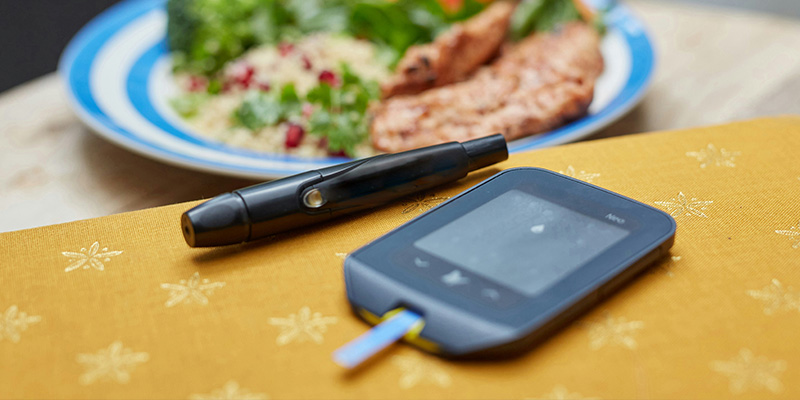
Fingerstick Glucose Meter: This provides a snapshot of your blood sugar at a specific moment in time. Use it before meals, two hours after meals, and before bed, as advised by your healthcare provider. Keeping a detailed log helps you identify patterns related to your food and activity.
Continuous Glucose Monitors (CGMs): Devices like those made by Dexcom or Abbott offer real-time data on your glucose trends without constant finger pricking. This allows you to see exactly how specific foods or stress events affect your glucose in the moment, offering unparalleled insight.
The Role of Medication
If lifestyle adjustments are not enough to bring your blood sugar into a healthy range, your doctor may prescribe medication.
Oral Medications: Drugs like Metformin are often the first line of defense, working to reduce the amount of glucose your liver produces and increasing your insulin sensitivity.
Injections: Depending on your diagnosis and disease progression, your provider may recommend insulin therapy or other injectable non-insulin medications.
Crucial Note: Never adjust or stop taking prescribed medication without consulting your healthcare team. Medication is a personalized tool designed to complement your healthy habits.
Your Next Step: Take Control Today
You now have a powerful, four-part toolkit to manage your blood sugar effectively. Remember, stabilizing your glucose is a marathon, not a sprint. Start small: choose one dietary swap this week, or commit to a 10-minute walk after dinner. Your body deserves the best care, and every small step you take today leads to better health and more balanced energy tomorrow. Begin tracking your progress and partner with your healthcare provider to build a sustainable plan.
Reference
[1] Insulin: Hormones and Metabolism, National Library of Medicine, U.S. National Institutes of Health. https://www.ncbi.nlm.nih.gov/pmc/articles/PMC6672322/
[2] Glycemic Index (GI): The University of Sydney Glycemic Index Database. https://glycemicindex.com/