
Nutrition&Metabolism
Shaky Hands, Dizziness, Or Hunger? It Might Be Low Blood Sugar
October 24, 2025 | Jesse Thompson
Are you experiencing unexplained shakiness, sudden dizziness, or intense hunger pangs? These could be warning signs of low blood sugar. Understanding the symptoms of hypoglycemia can help you take quick action and prevent serious complications.

Understanding Low Blood Sugar: Common Triggers And Risk Factors
Hypoglycemia occurs when your blood glucose levels drop below 70 mg/dL (3.9 mmol/L). According to the American Diabetes Association, severe hypoglycemia affects approximately 1-3% of people with type 1 diabetes annually, though milder episodes are far more common across all populations.
Several everyday situations can trigger dangerous drops in blood sugar levels. Skipping meals or eating irregularly disrupts your body's natural glucose balance. Excessive physical exercise without adequate fuel consumption can rapidly deplete your glucose stores. Certain medications, particularly diabetes medications like insulin, increase hypoglycemia risk significantly. Alcohol consumption interferes with your liver's ability to release stored glucose, while underlying health conditions such as adrenal insufficiency or liver disease can compromise your body's glucose regulation mechanisms.
Recognising these triggers helps you stay one step ahead of potential episodes.
Recognising The Warning Signs: What Are The Symptoms Of Hypoglycemia
Your body sends clear distress signals when blood sugar drops dangerously low. Early warning signs include sudden shakiness or trembling, excessive sweating, rapid or irregular heartbeat, intense hunger pangs, unexplained irritability, mental confusion, and persistent dizziness. These initial symptoms occur as your body releases Stress hormones to counteract the drop in glucose levels.
As hypoglycemia progresses, symptoms become increasingly severe and concerning. You may experience blurred vision, difficulty concentrating on simple tasks, slurred speech, and noticeable coordination problems. In extreme cases, severe hypoglycemia can lead to seizures, complete loss of consciousness, or even coma, requiring immediate emergency medical intervention.
Symptom presentation varies significantly between individuals. Some people experience the full range of warning signs, while others notice only subtle changes. People with diabetes who frequently experience low blood sugar episodes may develop hypoglycemia unawareness, where their bodies stop producing noticeable warning signs—making regular monitoring even more critical.
Nocturnal hypoglycemia presents unique challenges since symptoms occur during sleep. Watch for frequent nightmares, unusually restless sleep patterns, excessive sweating during the night, and waking up with persistent headaches, mental confusion, or feeling extraordinarily exhausted despite adequate sleep duration.
Immediate Response: Emergency Treatment For Low Blood Sugar Episodes
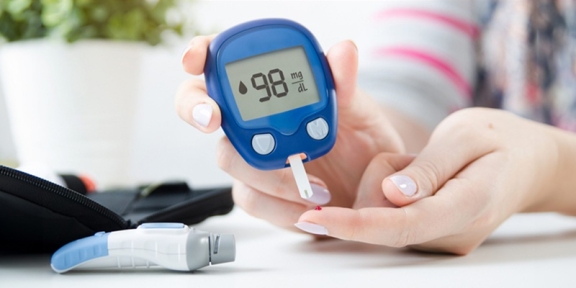
When hypoglycemia strikes, swift action can prevent dangerous complications. Follow the proven 15-15 rule: consume exactly 15 grams of fast-acting carbohydrates, wait 15 minutes, then recheck your blood sugar levels using a glucose meter.
Effective quick-fix options include glucose tablets (3-4 tablets), 4 ounces of fruit juice or regular soda, one tablespoon of honey or granulated sugar, 5-6 pieces of hard candy, or one tube of glucose gel. These options provide rapid glucose absorption without unnecessary delays.
Avoid foods containing protein or fat during acute episodes. Chocolate, nuts, peanut butter crackers, or cheese can significantly slow glucose absorption, delaying the critical blood sugar recovery your body desperately needs.
Call emergency services immediately if someone becomes unconscious, experiences seizures, or cannot swallow safely. People with diabetes should maintain glucagon emergency kits—injectable medications that rapidly raise blood sugar when oral treatment becomes impossible.
If symptoms persist after two complete 15-15 cycles, seek immediate medical attention without delay.
Smart Dietary Strategies For Long-Term Blood Sugar Stability
Effective hypoglycemia prevention centres on strategic meal planning and intelligent food choices. Eat regular, balanced meals every 3-4 hours to maintain steady glucose levels throughout your day. Never skip meals, as this creates dangerous glucose dips that trigger hypoglycemic episodes.
Combine complex carbohydrates with lean protein and healthy fats in every meal. This powerful combination slows glucose absorption, preventing rapid spikes followed by dangerous crashes. Excellent stabilising food combinations include oatmeal topped with nuts and fresh berries, lean proteins like grilled chicken or fish paired with quinoa, eggs with whole-grain toast, and legumes mixed with brown rice.
Portion control plays a crucial role in glucose stability. Smaller, frequent meals work significantly better than large portions that overwhelm your metabolic system. Keep healthy snacks readily available, especially during travel, busy work periods, or unexpected schedule changes.
Exercise timing requires special consideration. Always consume a small snack that contains both carbohydrates and protein before engaging in physical activity. Monitor your blood sugar more frequently on active days, and carry glucose tablets during all workouts or sports activities.
Alcohol consumption demands extra caution. Alcohol can cause delayed hypoglycemia, sometimes occurring hours after your last drink. Never consume alcohol on an empty stomach, always eat substantial food while drinking, and monitor blood sugar levels closely for up to 24 hours afterwards.
Critical Warning Signs: When To Seek Professional Medical Care
Certain situations require immediate emergency medical intervention. Seek urgent care if you experience severe confusion or complete loss of consciousness, seizures or convulsions, inability to swallow or keep food down, or blood sugar readings below 50 mg/dL repeatedly.
Consult your healthcare provider when hypoglycemic episodes become frequent, unpredictable, or significantly interfere with your daily activities, work performance, or sleep quality. Regular medical monitoring helps identify underlying causes and allows for adjustments to an appropriate treatment plan.
Medical identification proves essential during emergencies. Wear a medical alert bracelet or carry identification cards clearly explaining your condition, emergency contacts, and current medications. This information becomes vital during emergencies when you cannot communicate effectively.
Continuous glucose monitoring (CGM) devices offer real-time blood sugar tracking, providing alerts about dangerous trends before symptoms appear. Discuss CGM options with your endocrinologist or primary care physician, especially if you experience frequent episodes or have diabetes requiring medication management.
Taking Control: Your Next Steps For Better Blood Sugar Management
Recognising and managing low blood sugar episodes is entirely achievable with proper knowledge and preparation. While hypoglycemia can feel frightening, remember that millions of people successfully manage this condition daily. Keep quick-acting carbohydrates, such as glucose tablets, readily available for use. Learn your personal warning signs and follow the 15-15 treatment rule consistently.
Consult your healthcare provider to develop a personalised management plan tailored to your specific needs, lifestyle, and medical history. With proper preparation, education, and a supportive system, you can confidently manage hypoglycemic episodes while maintaining an active and fulfilling lifestyle.
Sources
National Institute of Diabetes and Digestive and Kidney Diseases