Sleep&Skin
Decoding Atopic Dermatitis: Your Ultimate Guide to Lasting Relief
October 21, 2025 | Allison Reed
Are you exhausted by the relentless cycle of dry, inflamed, and intensely itchy skin? Finding the right solution begins with understanding exactly what you're up against. This guide is designed to demystify Atopic Dermatitis, one of the most common culprits, and set you firmly on the path toward better skin health and genuine comfort.
What Exactly Is Atopic Dermatitis?
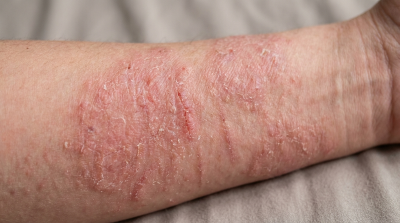
Atopic Dermatitis (AD) is the most widespread, chronic, and non-contagious form of eczema, a skin condition fundamentally defined by inflammation. This internal inflammation manifests as red, scaly, and intensely itchy patches on the skin's surface. The persistent itch often traps individuals in a maddening 'itch-scratch cycle,' where scratching offers fleeting relief but ultimately damages the skin barrier, worsening inflammation and the rash.
This condition is deeply connected to a person's genetics and immune system function, frequently appearing alongside other 'atopic' conditions like asthma and hay fever, often referred to as the 'atopic triad.' Its prevalence is staggering, affecting up to 1 in 10 adults and 1 in 5 children in the United States [1]. With so many types of skin rashes out there, it’s vital to know if what you're experiencing is Atopic Dermatitis. Let's clarify those key differences.
Spotting the Difference: Atopic Dermatitis vs. Other Skin Conditions
Distinguishing your rash is the critical first step toward finding the correct dermatitis treatment and achieving relief. While a dermatologist's diagnosis is essential, understanding these distinctions can empower you for that conversation.
Atopic Dermatitis vs. Contact Dermatitis
The fundamental difference lies in the cause. Atopic Dermatitis is primarily an internal condition, a predisposition hardwired into your genetics and immune system. While external factors can trigger flare-ups, the underlying vulnerability is always present. In stark contrast, contact dermatitis is a direct, localized reaction to an external substance your skin has touched. This can be an irritant (like a harsh detergent or fragrance) or an allergen (like nickel in jewelry or the urushiol oil from poison ivy). The resulting rash is typically confined to the area of contact and resolves once the trigger is identified and removed.
Atopic Dermatitis vs. Hives (Urticaria)
Appearance and duration are the key differentiators here. Hives present as raised, swollen welts or wheals that can appear suddenly, often as part of a systemic allergic reaction, and frequently disappear within hours. The rash from Atopic Dermatitis is more persistent and characteristically different. It usually presents as dry, cracked, and scaly patches of inflamed, itchy skin that can linger for days, weeks, or even longer during a flare-up. Understanding these nuances is pivotal. Now, let's explore the most effective ways to manage it.
Your Action Plan: Effective Treatments for Atopic Dermatitis
The cornerstone of managing Atopic Dermatitis is a relentless, daily commitment to moisturization. Think of it as actively rebuilding and reinforcing your skin’s protective barrier, which is inherently compromised in this chronic skin condition.
To do this effectively, choose thick creams or ointments over thin, watery lotions, as they provide a more substantial and durable seal against moisture loss. Look for products rich in ceramides, which are lipids that naturally fortify the skin barrier, and hyaluronic acid, which draws in moisture. Apply your moisturizer liberally at least twice a day, and most importantly, immediately after bathing to lock in hydration on damp skin—a technique often called 'soak and seal.'
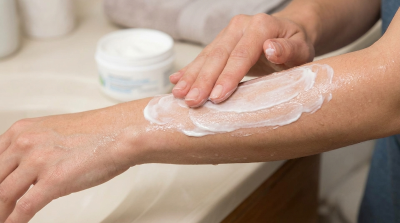
For mild flare-ups of red, itchy skin, over-the-counter (OTC) options can provide effective first-line relief. A low-potency (1%) hydrocortisone cream can calm minor inflammation and help break the frustrating itch-scratch cycle. However, these are best used for short periods on limited areas as directed.
When diligent moisturizing and OTC solutions aren't enough, it’s time to partner with a professional. A board-certified dermatologist can offer a broader, more powerful arsenal of dermatitis treatment options. This may include stronger prescription topical steroids, non-steroidal creams like calcineurin inhibitors (which calm the immune response in the skin), or advanced systemic treatments like biologic injections for more severe, widespread cases [2].
Master Your Environment: Lifestyle and Diet Tips for Management
Proactive management of your environment and lifestyle is just as crucial as treatment for maintaining your skin's health. By identifying and minimizing your personal triggers, you can significantly reduce the frequency and severity of eczema flares. Here are some highly effective, practical strategies you can implement today:
Smarter Bathing Habits
Soothe your itchy skin by rethinking your routine. Keep baths and showers short (5-10 minutes) and use lukewarm, not hot, water, which strips the skin of its natural, protective oils. Swap harsh, fragranced soaps for gentle, soap-free cleansers. Afterward, gently pat your skin mostly dry with a soft towel—never rub—and immediately apply your moisturizer from head to toe to seal in vital hydration.
Dress for Success
Your wardrobe can be your skin's best friend or worst enemy. Choose soft, breathable fabrics like 100% cotton, which allow air to circulate and prevent overheating. Avoid common irritants like wool and rough synthetic fibers like polyester, which can trap heat and sweat, creating a perfect storm for a flare-up. Always wash new clothes before wearing to remove finishing chemicals.
The Diet Connection
While certain foods can be a trigger for some individuals, especially young children, it is not a universal cause [3]. If you suspect a connection, avoid starting a restrictive diet without medical guidance. Instead, keep a detailed food and symptom diary, noting what you ate and how your skin felt over the following 24-48 hours. Discuss these findings with your doctor or an allergist, who can help identify patterns and determine if testing is necessary.
Your Journey to Calmer, Healthier Skin
Living with Atopic Dermatitis is a journey, not a sprint, but it is an entirely manageable one. By consistently combining a targeted skincare routine with smart, proactive lifestyle adjustments, you can gain significant control over flare-ups, find lasting comfort, and reclaim your quality of life. Understanding your personal triggers is the key to proactive care and long-term skin health. If you suspect you have Atopic Dermatitis or are struggling to manage your symptoms, consulting a board-certified dermatologist is the single most effective step you can take to get a precise diagnosis and a treatment plan tailored specifically for you.
References
[1] National Eczema Association: https://nationaleczema.org/eczema/types-of-eczema/atopic-dermatitis/
[2] American Academy of Dermatology Association: https://www.aad.org/public/diseases/eczema/types/atopic-dermatitis/atopic-dermatitis-treatment
[3] National Institute of Allergy and Infectious Diseases (NIAID): https://www.niaid.nih.gov/diseases-conditions/eczema-atopic-dermatitis