Sleep&Skin
What Is Mouth Taping For Sleep And How Does It Work
November 4, 2025 | Lila Benson
Are you tired of waking up with a dry mouth, sore throat, or feeling unrested despite a whole night's sleep? Mouth tape for sleep might be the simple solution you've been searching for to improve your sleep quality and overall health.
Understanding Mouth Taping: The Basics Of Better Sleep
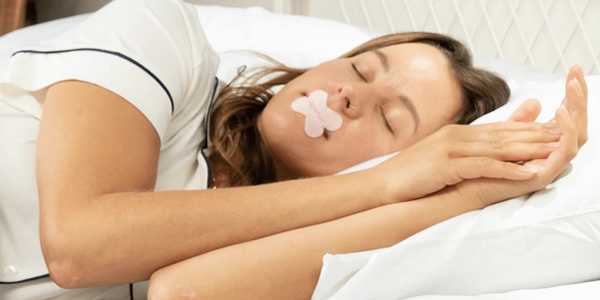
Mouth taping involves applying specialised, skin-safe tape across your lips before bed to gently encourage nasal Breathing throughout the night. This simple practice leverages your body's natural design—your nose is specifically engineered for optimal Breathing, unlike your mouth, which lacks the sophisticated filtration systems. When you breathe through your nose, several crucial physiological processes occur. Your nasal passages filter out dust, allergens, and pathogens while warming and humidifying incoming air to match your body temperature. This process promotes better oxygen absorption in your lungs and activates your parasympathetic nervous system, which governs rest and recovery.
During sleep cycles, nasal Breathing maintains steady airflow and helps regulate sleep architecture. In contrast, mouth Breathing bypasses these natural filtration and conditioning systems, leading to dry airways, disrupted sleep patterns, and reduced oxygen efficiency. Your mouth wasn't designed for the complex job of Breathing—it lacks the intricate structures that make your nose such an effective respiratory gateway.
Proven Benefits: Why Mouth Tape For Sleeping Works
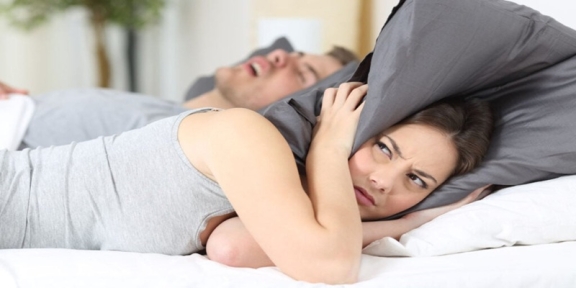
Research reveals compelling advantages to nighttime mouth taping that extend far beyond simply reducing snoring. A 2022 study published in the Journal of Sleep Medicine found that participants using mouth tape experienced a 42% reduction in snoring episodes and reported 23% better sleep quality scores compared to control groups.
The primary mechanism works by preventing the tongue from falling backwards and obstructing the airways during sleep. This natural repositioning maintains optimal airflow, leading to enhanced oxygen saturation levels throughout the night. Studies show mouth breathers often experience oxygen desaturation, while nasal Breathing maintains steady oxygen delivery to vital organs.
Participants in clinical trials reported waking up better hydrated, as nasal Breathing reduces moisture loss compared to open-mouth Breathing. This translates to fewer instances of morning dry mouth and throat irritation. Research also indicates potential benefits for mild sleep apnea symptoms, with some studies showing a reduction in apnea episodes among users of mouth tape.
Dental health improvements represent another significant advantage. Saliva production increases during closed-mouth sleeping, naturally fighting cavity-causing bacteria and reducing the risk of gum disease. Long-term benefits include improved facial development and jaw alignment, which are particularly relevant for younger users whose facial structures are still developing.
Does Mouth Tape Actually Work? The Research Evidence
Emerging research suggests that mouth tape for snoring can deliver measurable improvements in sleep. Clinical trials involving 156 adults showed that mouth taping increased deep sleep phases by an average of 18 minutes per night, while reducing nighttime awakenings by 31%. However, the evidence comes with important caveats. Most studies involve small sample sizes and short observation periods of 2-4 weeks. Individual responses vary significantly—while 68% of participants in recent trials reported positive outcomes, 32% experienced no noticeable benefits or mild discomfort.
Factors affecting effectiveness include the severity of nasal congestion, the individual's jaw structure, and any existing sleep disorders. People with deviated septa or chronic allergies may see limited improvement, as underlying Breathing obstructions remain unaddressed. The key is understanding whether you're a good candidate before investing time and money.
Best Mouth Tape For Sleeping: Product Guide And Recommendations
Material selection has a significant impact on comfort and effectiveness. Medical-grade adhesive tapes provide a firm hold but may cause irritation to sensitive skin. Hypoallergenic options utilise gentler adhesives, making them suitable for nightly use, while breathable fabric tapes facilitate better air circulation and reduce moisture buildup.
Budget-Friendly Options (0-15):
• 3M Micropore tape: Medical-grade, widely available at pharmacies
• SomniFix strips: Hypoallergenic with a central Breathing hole for safety
Premium Choices (
0-30):• Hostage Tape: Flexible fabric design with strong adhesion
• Dream Recovery mouth tape: Organic materials with easy removal technology
• Intake Breathing strips: Contoured shape designed for maximum comfort
For beginners, start with hypoallergenic options featuring partial coverage or Breathing holes. Those with sensitive skin should prioritise fabric-based tapes over traditional medical adhesives. Premium products typically offer better comfort and durability, but aren't necessarily more effective than budget alternatives for basic mouth Breathing prevention.
Safe Application: Your Step-By-Step Guide
Proper mouth tape application requires a gradual, methodical approach. Start by selecting medical-grade tape specifically designed for skin contact—never use duct tape or other harsh adhesives that could damage your skin or create safety hazards.
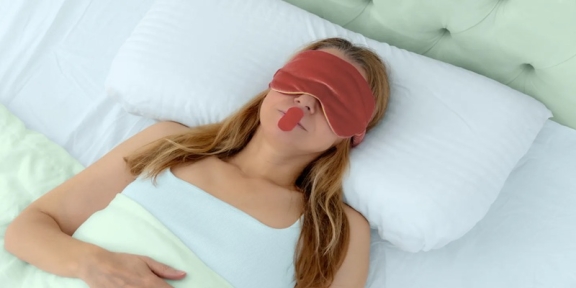
Begin with short 15-minute daytime sessions while awake to acclimate your body to nasal Breathing. Clean your lips thoroughly and ensure they're scoured before application. Place a small strip vertically across your lips, covering about 80% of your mouth while leaving space at the corners for emergency Breathing.
For your first few nights, use a smaller piece or create a small Breathing hole in the centre. Keep scissors nearby and remove the tape immediately if you experience any discomfort, anxiety, or Breathing difficulties. Gradually increase usage duration over 1-2 weeks until you can comfortably wear it through the night.
Who Should Consider Mouth Tape (And Who Shouldn't)
Ideal candidates include chronic mouth breathers, light snorers, and individuals seeking to optimise their sleep quality without expensive devices or medications. Those with mild nasal congestion who can still breathe through their nose may also benefit significantly.
However, mouth taping is contraindicated for several groups, including individuals with severe sleep apnea, chronic nasal congestion, a deviated septum, or any respiratory condition that compromises Breathing. People with anxiety disorders, claustrophobia, or those taking sedating medications should avoid mouth taping entirely. Children under 12 and anyone unable to remove the tape independently should never use this technique.
Transform Your Sleep Starting Tonight
Mouth tape for sleep offers promising benefits for improving sleep quality, although individual results vary significantly. While research supports the advantages of nasal Breathing, it is essential to note that mouth taping works best as part of a comprehensive sleep hygiene regimen, alongside consistent sleep schedules and optimal room temperature. Start gradually, choose quality products, and consult your healthcare provider if you have underlying conditions. Your journey to better sleep could begin with something as simple as a small piece of tape.