Sleep&Skin
How To Use Mouth Tape For Better Sleep: Step-By-Step Guide
October 28, 2025 | Lila Benson
Are you tired of waking up with a dry mouth and feeling unrested? Mouth tape for sleep might be the simple solution you've been searching for to transform your nightly rest.
Understanding Mouth Tape And Its Sleep-Enhancing Mechanism
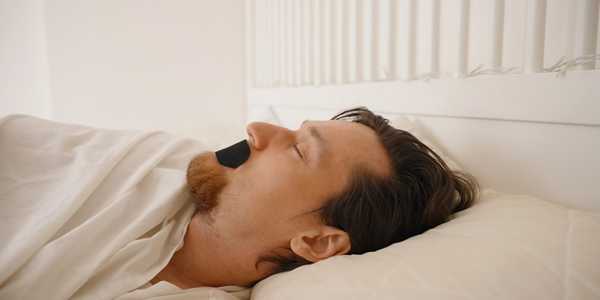
Mouth tape represents a straightforward yet scientifically backed approach to sleep optimisation. This specialised adhesive tape, designed specifically for overnight use, gently keeps your lips closed during sleep to promote nasal Breathing. Unlike regular household tape, sleep-specific mouth tape utilises medical-grade, skin-safe adhesives that won't irritate your lips or leave uncomfortable residue.
The science behind this technique centres on redirecting your Breathing pathway. When you breathe through your nose, the air is naturally filtered, warmed, and humidified. Your nasal passages also produce nitric oxide, a compound that enhances oxygen absorption and circulation. This process creates more efficient Breathing patterns, leading to improved oxygen saturation throughout the night. The result is deeper, more restorative sleep cycles that leave you feeling genuinely refreshed upon waking.
Proven Benefits That Transform Your Sleep Experience
The benefits of mouth tape extend far beyond simple Breathing modification. Most users experience dramatically reduced snoring within their first week of consistent use. This happens because nasal Breathing eliminates the mouth-based vibrations that create snoring sounds, leading to quieter nights for everyone.
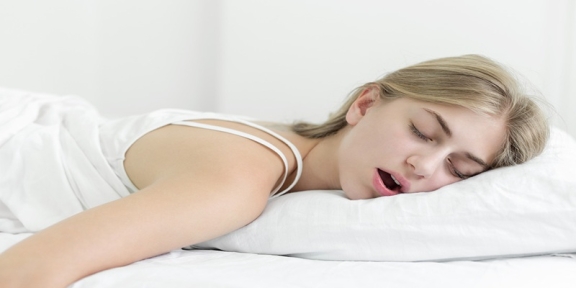
Does mouth tape work for improving overall sleep quality? Research consistently shows positive outcomes. Users report waking up with better hydration levels, as nasal Breathing prevents the mouth dryness associated with open-mouth sleeping. You'll notice fewer middle-of-the-night wake-ups, as steady nasal Breathing maintains more consistent sleep phases.
Partners particularly appreciate these changes. Reduced snoring means better sleep for both people sharing the bedroom, often improving relationship dynamics and daytime energy levels. Many couples describe mouth taping as transformative for their shared sleep environment, creating the peaceful rest both partners deserve.
Your Complete Safety-First Application Guide
Starting your mouth taping journey requires proper preparation and a gradual introduction. Choose a weekend or period when you have flexibility the following morning, allowing time to adjust without work-related pressure.
Preparation Steps: Cleanse your lip area and surrounding skin with a gentle, alcohol-free cleanser. Ensure the area is arid before application. Test the tape on your hand first to check for any allergic reactions or skin sensitivity.
Proper Application Technique: Place a small strip of mouth tape vertically across your lips, covering approximately 80% of your mouth while leaving the corners slightly free. The tape should feel secure but never uncomfortably tight. Practice nasal Breathing while awake to build confidence with the sensation.
First Night Expectations: Expect some initial awareness of the tape – this is entirely normal. Many users wake up once or twice during their first few nights as their body adapts. Keep water nearby and remember that you can easily remove the tape if needed.
Critical Safety Precautions: Never use mouth tape when congested, after consuming alcohol, or when feeling unwell. Remove immediately if you experience anxiety, Breathing difficulty, or any other discomfort. Start with just 2-3 hours initially, gradually increasing duration over 1-2 weeks as your body adapts.
Selecting The Best Mouth Tape For Your Needs
Choosing the best mouth tape for sleeping requires understanding the key differences between available options. Material selection has a significant impact on comfort and effectiveness.
Material Comparison: Silk-based tapes offer premium comfort and excellent breathability, making them an ideal choice for individuals with sensitive skin types. Paper-based alternatives provide cost-effective solutions while maintaining gentle adhesion. Hypoallergenic varieties use medical-grade materials specifically formulated for those with skin sensitivities.
Adhesive Strength Considerations: Look for moderate adhesive strength – strong enough to remain in place throughout the night but gentle enough for comfortable morning removal. Medical-grade adhesives typically provide the optimal balance between security and skin safety.
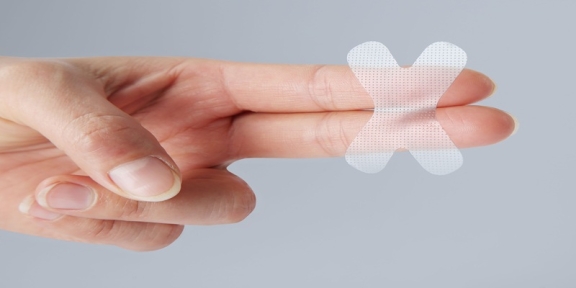
Size and Design Options: Smaller strips are ideal for mouth taping beginners, while larger patches offer comprehensive coverage for habitual mouth breathers. Some brands offer perforated designs that allow for minimal airflow, providing an additional safety feature.
Value Assessment: While premium options may initially cost more, they often deliver superior comfort and durability. Calculate cost-per-use when comparing brands, as some high-quality tapes can be gently reused. Popular features include easy-grip removal tabs, breathable materials, and latex-free formulations for broader compatibility.
Addressing Common Concerns And Solutions
Many newcomers share similar worries about mouth tape for snoring and general safety. Rest assured that mouth tape is generally safe for healthy individuals – your body's natural protective mechanisms will wake you if Breathing becomes compromised.
For claustrophobia concerns, start with more petite strips or choose specialised tapes with perforations that allow some mouth Breathing while encouraging nasal Breathing patterns. Skin sensitivity issues can be addressed by selecting hypoallergenic, medical-grade options or applying a small amount of natural moisturiser around the mouth area before taping.
During the adjustment period, some initial discomfort is expected. Begin with just 30 minutes while awake to acclimate to the sensation. If you consistently wake up with the tape removed, your body may need more time to adapt, or you might benefit from addressing nasal Breathing obstacles first.
Mouth tape may not be effective for individuals with severe nasal congestion, a deviated septum, or sleep apnea. Alternative solutions include using nasal strips, performing saline rinses before bed, or consulting a healthcare provider about underlying nasal issues.
Taking Your Next Steps Toward Better Sleep
Mouth taping offers a simple, cost-effective approach to dramatically improving your sleep quality through optimised Breathing patterns. Start gradually – perhaps every other night initially – and maintain consistency for optimal results. If you suspect underlying sleep disorders or experience persistent Breathing difficulties, consult a healthcare provider before beginning any new sleep intervention. With patience and proper technique, mouth taping can become an invaluable addition to your sleep optimisation routine, helping you wake up refreshed and energised every morning.