
Sleep&Skin
Ingrown Hair Solutions That Dermatologists Recommend
November 3, 2025 | Allison Reed
Dealing with ingrown hairs can be incredibly frustrating, affecting your confidence and skin health. Luckily, effective solutions exist! In this article, we'll explore expert recommendations from dermatologists to help you find relief from ingrown hairs and foster healthier skincare habits.
What Causes Ingrown Hairs?
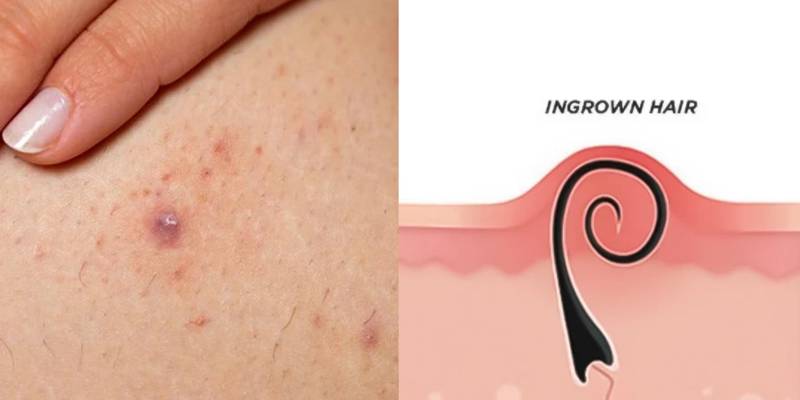
Ingrown hairs typically emerge from a variety of common factors that many individuals encounter. One prevalent cause is improper shaving techniques. Shaving against the hair growth direction or using dull blades can create sharp, broken hair edges that may curl back into the skin. Moreover, individuals with coarse or curly hair are more susceptible to this issue, as their hair naturally tends to bend back into the follicle.
Additionally, dead skin cells can worsen the situation by clogging pores, which prevents hairs from emerging properly. This often leads to irritation and red, inflamed patches on the skin. Such irritation can progress to more severe complications, particularly if the areas become infected. Thus, understanding these causes is crucial for effective prevention and treatment strategies.
Effective Prevention Strategies
Preventing ingrown hairs is essential for anyone who shaves or removes hair. Start by mastering the proper shaving techniques: always shave in the direction of hair growth. This method not only minimizes irritation but also reduces the chances of hairs curling back into the skin.
Incorporating regular exfoliation into your skincare routine is another effective prevention strategy. Using gentle scrubs or exfoliating gloves a few times a week helps dislodge dead skin cells, allowing hair to grow freely and reducing the likelihood of becoming trapped. Using the right grooming tools is also essential. A sharp razor is critical, as dull blades can tug at the skin, leading to ingrown hairs.
Opt for high-quality shaving cream that hydrates your hair and provides lubrication, making the shaving process smoother and less irritating. For those considering alternative hair removal methods, techniques like laser hair removal and waxing can be particularly beneficial. Laser hair removal offers long-term hair reduction suitable for various skin types, while waxing removes hair from the root, leaving skin smoother for weeks. Tailoring your hair removal method to your specific skin type can significantly minimize the risk of ingrown hairs.
Dermatologists' Recommended Treatments
When dealing with ingrown hairs, experts often suggest a combination of at-home remedies and professional treatments. Among the top dermatologist-recommended ingredients for topical treatment are salicylic acid and benzoyl peroxide. Salicylic acid excels at exfoliation, efficiently clearing clogged hair follicles, while benzoyl peroxide acts as a strong antibacterial agent, reducing inflammation and preventing infection.
For targeted relief from ingrown hairs, specific creams and gels are often recommended. Products containing alpha hydroxy acids (AHAs) are particularly effective; they promote skin renewal and lessen the chances of hair becoming trapped. In persistent cases, dermatologists may suggest professional treatments such as chemical peels for exfoliation and pore unclogging, and laser therapy to target hair follicles and reduce hair regrowth.
Here are three highly recommended products to tackle ingrown hairs effectively:
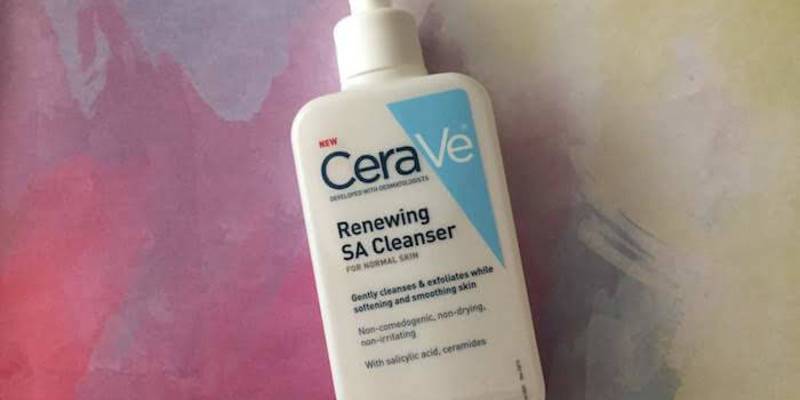
1. CeraVe Renewing SA Cleanser - Enriched with salicylic acid and hydrating ceramides, it both exfoliates and retains moisture in the skin.
2. Tend Skin Solution - This topical treatment combines isopropyl alcohol with glycolic acid, effectively reducing the appearance of bumps and irritation.
3. The Ordinary Glycolic Acid 7% Toning Solution - Featuring glycolic acid, it assists in exfoliation and brightening the skin tone, preventing ingrown hairs.
By integrating these recommended treatments and products into your routine, you can enhance your skin's health, reduce the instances of ingrown hairs, and achieve a clearer, smoother complexion.
Common Myths and Misconceptions
A prevalent myth about ingrown hairs is that any form of hair removal will inevitably lead to these pesky bumps. In truth, ingrown hairs arise from various causes—hair texture, removal methods, and inadequate aftercare can all contribute.
To avoid ingrown hairs, regular exfoliation is key; it helps remove dead skin cells and prevents hair from getting trapped beneath the surface. Additionally, using dull razors increases the risk of irritation and nicks, which can cause ingrown hairs.
Proper hydration and moisturization are vital for skin condition after hair removal as well. Adopting a skincare routine that includes both pre- and post-hair-removal care is essential for maintaining healthy skin and minimising risks. By dispelling these misconceptions, you can take a more informed approach to grooming, leading to clearer, healthier skin.
Frequently Asked Questions
Q: Do ingrown hairs pose health risks? A: Generally, ingrown hairs do not pose significant health risks. However, if they become infected, they could lead to more severe skin issues, such as abscesses. It's crucial to monitor any changes in your skin.
Q: How can I treat ingrown hairs at home? A: To treat ingrown hairs at home, gently exfoliate the affected area to remove dead skin. Warm compresses can soothe irritation. Over-the-counter products containing salicylic acid may help reduce inflammation and prevent infection. Should symptoms persist, it is advisable to consult with a dermatologist.
Your Next Steps for Clearer Skin
To maintain healthy skin and prevent ingrown hairs, it's essential to understand and address the factors that contribute to them. We encourage you to consult with a dermatologist for personalized recommendations tailored to your skin type and needs. Additionally, incorporating the methods and products discussed in this article can help you find effective relief from ingrown hairs, allowing you to put your best foot forward. Your skin deserves the very best care!